Female Erogenous Zones: A Guide to Sensitivity & Communication
Female erogenous zones are often presented as a map of buttons waiting to be pressed. Real bodies are less predictable, and more individual, than that. An area associated with pleasure for one person may feel neutral, ticklish, uncomfortable, or unwanted for someone else.
This guide is for adults looking to understand sensitivity and communicate preferences, not follow a stimulation routine. There is no complete map that predicts everyone's response. Gender does not determine anatomy or what kind of contact someone enjoys, and a person's preferences can change.
What Are Erogenous Zones?
An erogenous zone is a body area that a person may associate with sexual pleasure or arousal. The term describes a possible experience, not a guarantee. Nerve sensitivity alone does not tell you whether touch is welcome or pleasurable.
Context, mood, comfort, personal history, and the relationship between the people involved can all matter. Sensitivity, ticklishness, pain, and enjoyment are not interchangeable. A strong reaction is not an instruction to continue.
A Body Map Is a Starting Point, Not a Script
People searching for erogenous zones in women may expect a fixed list or ranking. A more useful approach is to learn the names of areas, recognise uncertainty, and ask what the individual actually wants. No one needs to enjoy a particular kind of contact to be normal or complete.
You do not need to discover every possible preference, produce an orgasm, or recreate someone else's experience. Body awareness can simply mean knowing what feels welcome, what does not, and what you would rather leave unexplored.
Erogenous Zones Chart: Areas, Differences, and Boundaries
This chart is a conversation aid, not a treatment guide or set of instructions. None of the areas below has to be included in intimacy.
| Area | Individual differences | Communication focus | Do not assume |
|---|---|---|---|
| External genital area | Sensitivity and preferred contact vary | Whether contact is wanted at all | More intensity is better |
| Breasts and nipples | May feel pleasant, neutral, or uncomfortable | Permission for this specific area | Sensitivity means wanting clamps or pressure |
| Neck and shoulders | Closeness may be welcome or intrusive | Comfort and unrestricted movement | Permission for touch includes neck pressure |
| Ears and face | Sound and touch preferences differ | Personal space and sensory comfort | A startled response means enjoyment |
| Back and waist | Support needs and tender areas differ | Any discomfort or unwanted restriction | Being held means wanting control or dominance |
| Arms, hands, legs, and feet | Light contact may be welcome, ticklish, or unwelcome | Specific preferences rather than labels | Less-discussed areas are hidden switches |
Clitoral Sensitivity Without a Performance Target
The clitoris includes both visible and internal structures. Its role in pleasure does not mean every person wants the same contact or experiences the same response. A nerve-count comparison cannot predict someone's preferences.
For a broader introduction, read our guide to clitoral pleasure and exploration. Treat product suggestions and personal accounts as possibilities to assess, not requirements to fulfil.
What About the G-Spot and A-Spot?
These terms appear in sexual-wellness writing, but they should not be treated as precise switches with guaranteed effects. Labels, descriptions, and individual experiences vary. A person does not need to identify a named spot or enjoy internal contact.
This guide does not promise a particular orgasm, fluid release, or emotional response from reaching a location. Deeper contact is not a measure of progress, and pain is not a sign that you are getting closer to a goal.
Communication Is More Useful Than Guessing
Ask whether contact is welcome, whether an area is off-limits, and whether the person wants to continue. A preference shared yesterday is not permanent permission. Consent remains specific, ongoing, and freely reversible.
Ask → Listen → Respect → Check Again
A body response is not a substitute for consent. Neither silence nor an involuntary reaction establishes permission.
Keep communication and the ability to stop available. Do not add restraints, gags, or sensory restrictions to make someone less able to object. Do not apply pressure to the neck or restrict breathing.
Stop for pain, numbness, irritation, or distress. Persistent or severe symptoms deserve appropriate medical attention rather than a stronger setting or a different technique.
Optional Products, Not a Pleasure Formula
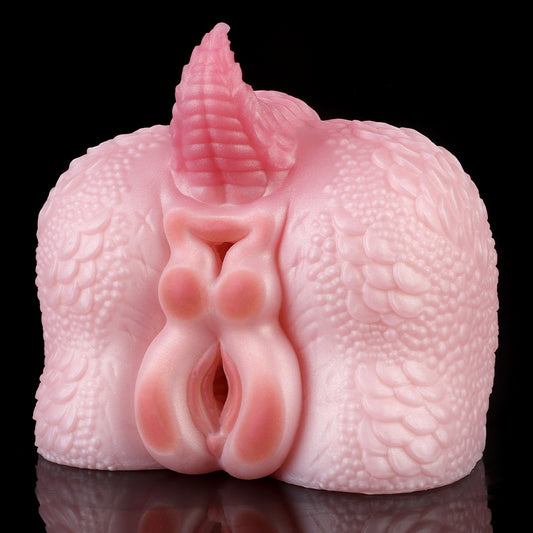
You do not need to buy anything to understand your preferences. If you want to compare vibrators, start with intended use, dimensions, contact design, controls, and care. Product styling cannot establish anatomical fit.
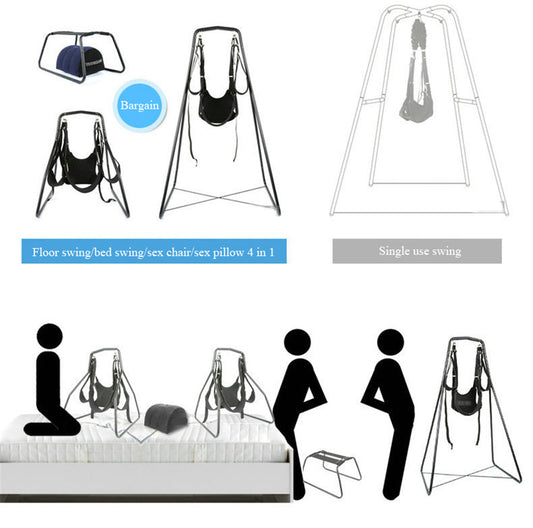
The optional model below is a multi-arm design. Its name and promotional diagram do not prove that every part fits every body or guarantees a particular result. Check the instructions and actual dimensions, including the intended use of each part, before choosing. This is a product-comparison option, not an endorsement of all claims in its listing.

Pink Silicone Dildo G-Spot Vibrator – Multi-Sensory Intense Female Sex Toys Orgasms
$67.80 USD
Compare dimensions, intended use, accessible controls, and care. No guarantee of fit, comfort, orgasm, or a health benefit.
Price checked October 15, 2026. This static price may change; the product page shows current pricing and availability.
For external-focused options, compare the clitoral vibrator collection. If browsing dildos, assess their stated purpose and dimensions separately rather than treating insertion as necessary for pleasure. When choosing couples' sex toys, agreement to each product and feature matters more than a category label.
Follow model-specific cleaning and lubricant-compatibility instructions. Do not assume every material is non-porous, every device is waterproof, or every surface can be cleaned the same way. Inspect products for damage and keep stopping and removal straightforward.
What We Value at LustBond
We do not see the body as a collection of buttons to activate, or more equipment as proof of a better experience. We value clear product information, honest limitations, and the freedom to choose nothing, stop, or change your mind.
Body awareness should leave you with less pressure, not another checklist. A useful guide makes room for uncertainty, different bodies, and preferences that do not match popular descriptions.
Female Erogenous Zones FAQ
Where are female erogenous zones?
Common discussions include the external genital area, chest, neck, ears, back, and limbs. These are possibilities, not a map of guaranteed responses. Ask the individual rather than relying on a list.
Do all women have the same sensitive areas?
No. Sensitivity and enjoyment differ between people and can change over time. Gender does not reliably predict someone's anatomy, boundaries, or preferred contact.
Does sensitivity mean a person wants to be touched there?
No. A sensitive area may feel unpleasant or unwanted. Consent must be communicated; it cannot be inferred from sensitivity or a physical reaction.
Are G-spot or A-spot responses necessary?
No. There is no named spot or response a person must identify or enjoy. A guide should not turn differences into a deficiency or a reason to continue through discomfort.
Can toys guarantee a full-body orgasm?
No. Product shapes, settings, and marketing terms do not guarantee a bodily response. Compare practical product information without treating an outcome as something owed.
What if my sensitivity changes or touch becomes painful?
Stop unwanted or uncomfortable contact. A persistent, sudden, painful, or distressing change is worth discussing with a qualified healthcare professional rather than self-diagnosing from an online body map.
Related Reading
Cuddle Positions: Comfort, Connection & Clear Boundaries — A guide to affection, personal space, and closeness without an obligation to escalate.
Your preferences are information, not a score. You can stay curious while keeping every boundary intact.