Lingerie Is a System of Choices, Not a Single Look
The word lingerie can point to very different products. It may mean a soft layer worn under clothing, a sheer bodysuit chosen for visual impact, a cupless bra that frames the chest, or a harness-like piece that changes the silhouette without functioning like a conventional bra. In an adult store, it can also sit beside nipple clamps, chains, restraints, and other BDSM accessories. Treating all of those products as interchangeable is how shoppers end up with the wrong expectations about fit, support, coverage, or sensation.
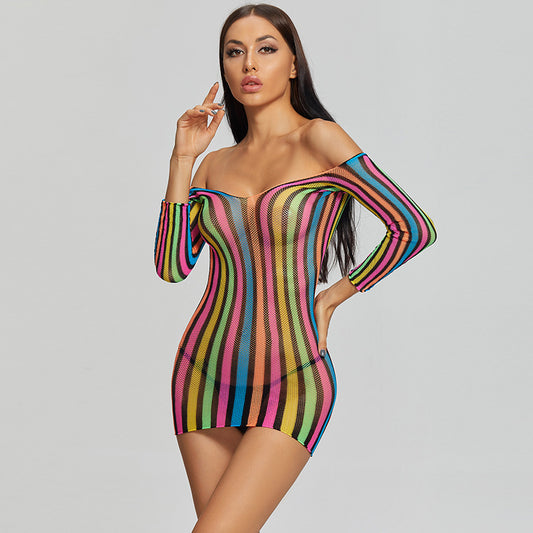
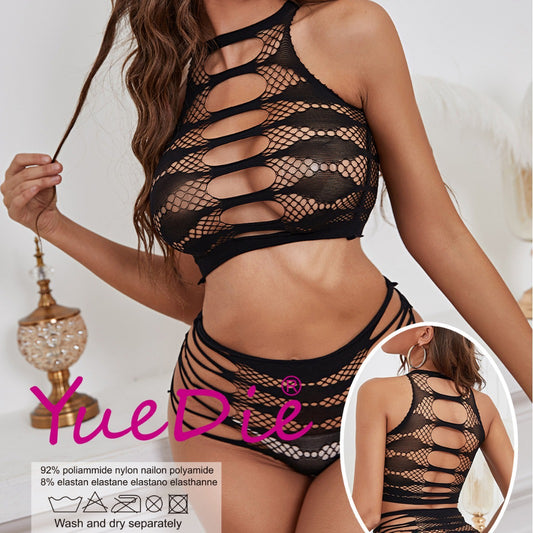
This collection currently contains 19 products across those overlapping styles. It includes fishnet bodysuits, open-crotch and mesh clothing, cupless leather-style bras, chain and chest harness designs, nipple clamps, bondage kits, and a small number of lingerie-adjacent wearable sex products. That mix is useful if you are building a scene or outfit from several visual layers. It also means the product page matters more than the category label: check the exact measurements, closure, attachment points, material description, and intended use before you buy.
Choose the Role of the Piece Before You Choose the Mood
A strong lingerie outfit usually starts with one practical question: what job should this piece do? The answer might be to create a silhouette, reveal skin, frame another garment, add a restraint element, or introduce a controlled sensation. Once that role is clear, the product photographs become easier to read and the search terms become more useful.
The foundation layer
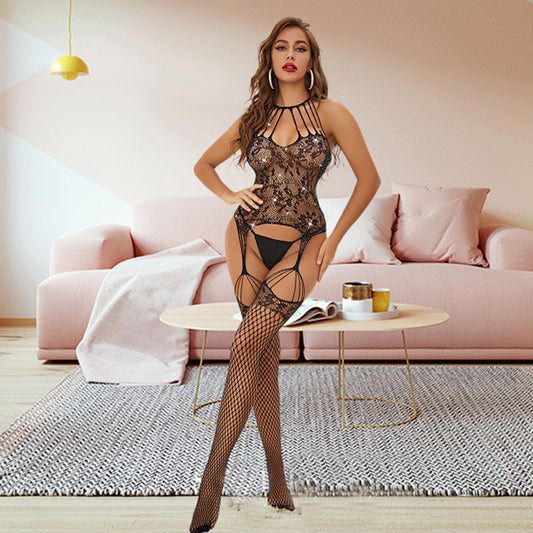
A bodysuit, bodystocking, fishnet dress, or mesh one-piece creates the base of a look. These pieces can be worn alone or layered under a harness, robe, skirt, or other garment, depending on the design. Look for the actual opening placement, leg coverage, neckline, back coverage, and closure rather than assuming that every fishnet bodysuit offers the same amount of stretch or support.
“One size” or “stretch” language does not replace a size guide. Mesh can stretch in one direction more than another, and a high-cut or open-crotch design may fit differently at the waist, hips, and torso. Compare the listing’s measurements with your own, especially for one-piece styles where torso length can affect the entire fit.
The frame layer
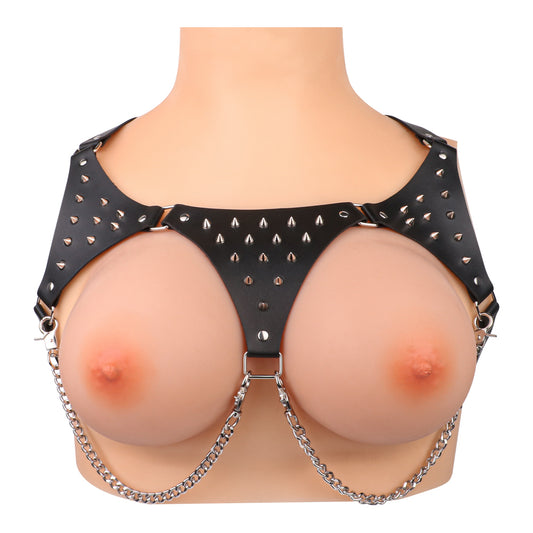
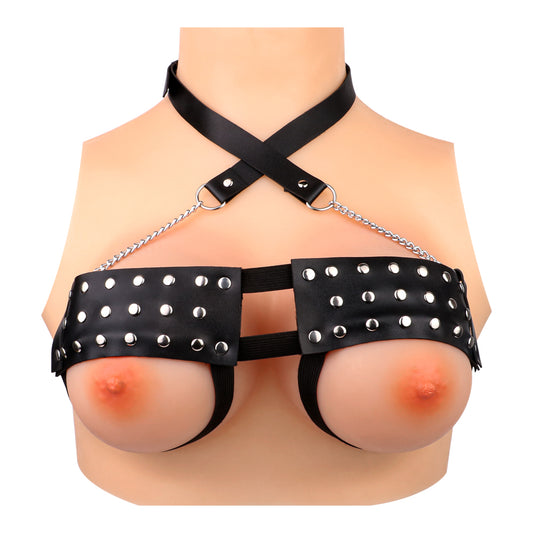
A cupless bra, chest harness, leather-style lingerie set, or chain piece is often less about conventional support and more about lines, hardware, and the way the body is framed. Check whether straps are adjustable, where the piece fastens, whether the design is intended to sit over or against clothing, and whether metal or other hardware is decorative or functional. A harness-inspired garment should not be assumed to hold body weight or replace purpose-built bondage equipment.
The accessory layer
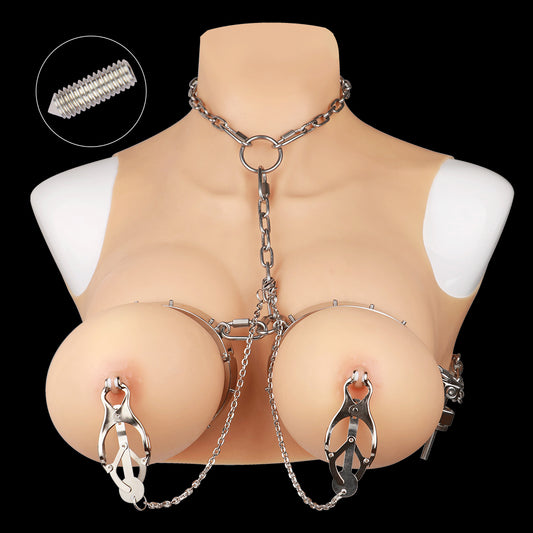
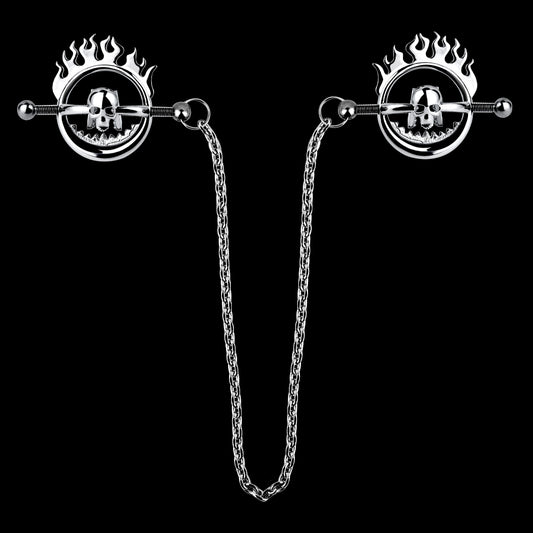
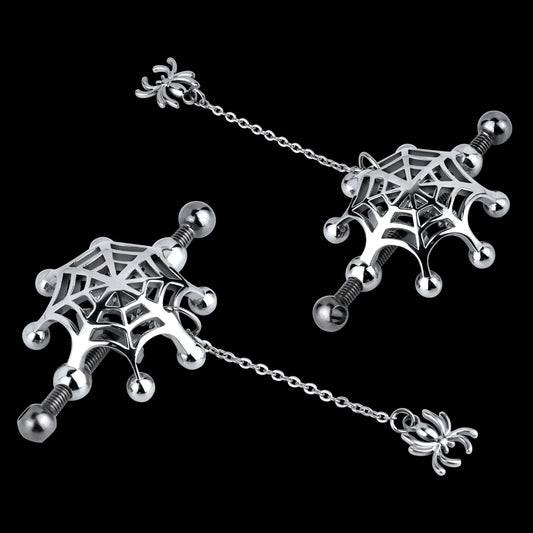
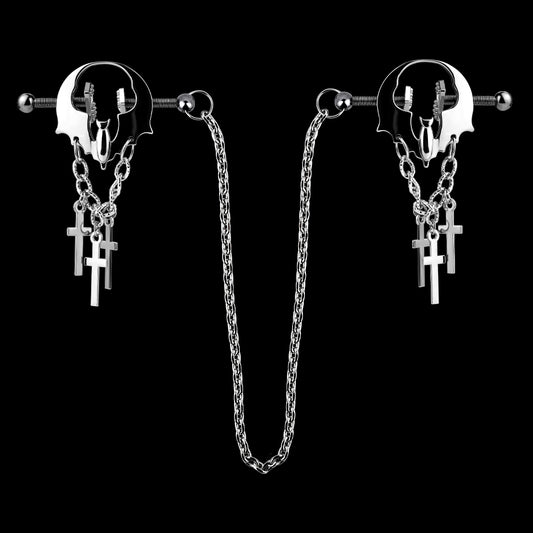
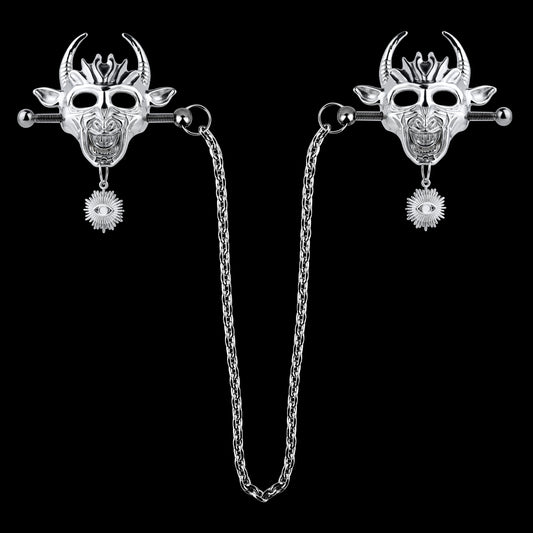
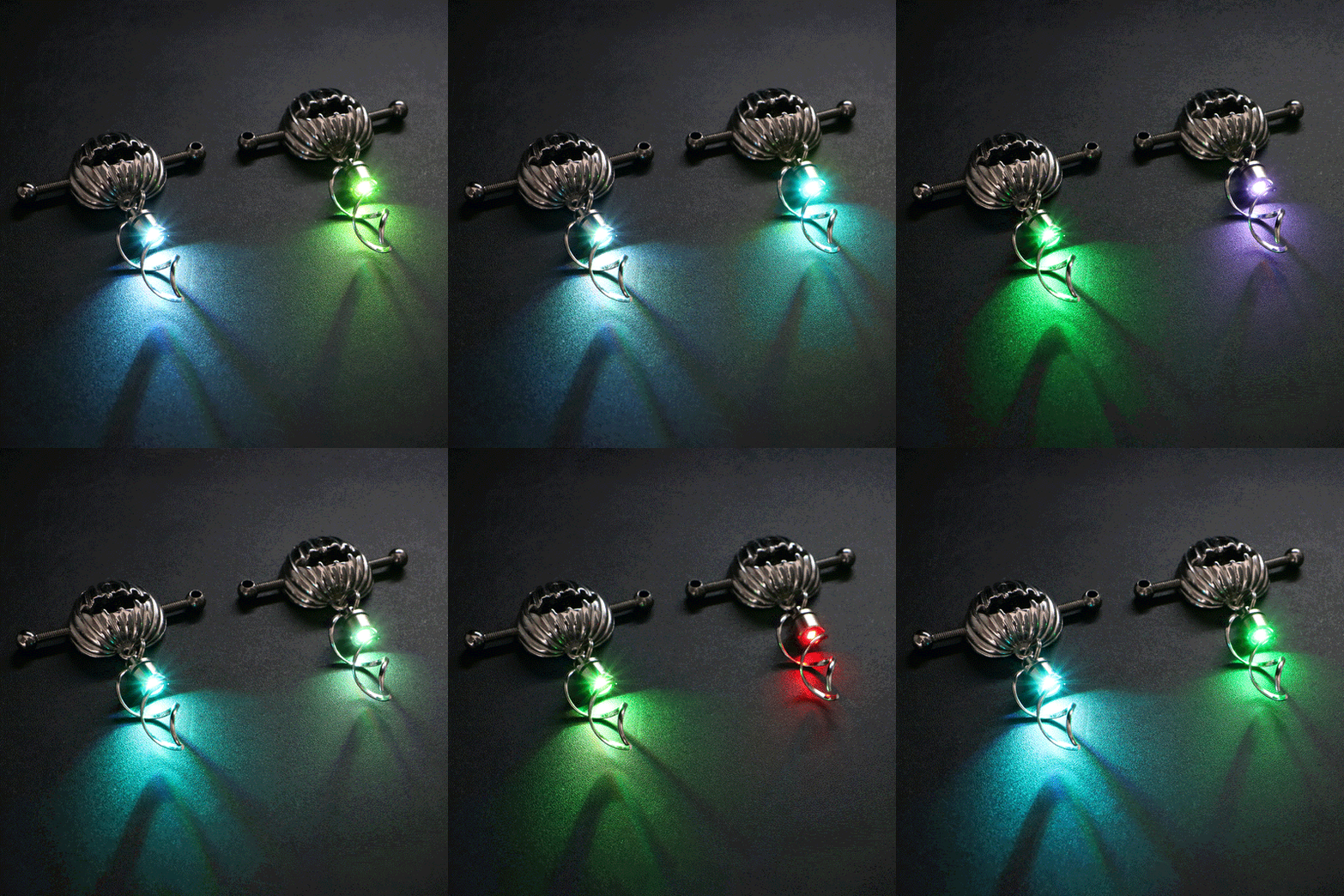
Nipple clamps, chain details, bells, clips, and bondage accessories change the category from clothing into active scene equipment. They may be added to lingerie for a visual cue, or they may be chosen for adjustable pressure and sensation. Those are separate decisions. A beautiful chain does not tell you how much pressure a clamp creates, how quickly it can be removed, or whether the hardware is suitable for extended wear.
Coverage and Exposure Should Be Deliberate
Sheer lingerie, open-crotch lingerie, cupless bras, and fishnet pieces all expose the body differently. Think in terms of where you want coverage and where you want visual emphasis, not in terms of a generic promise to “make you feel sexy.” Some shoppers want a piece that can be worn beneath everyday clothing; others want a stage-like outfit for a private scene. Neither goal is more valid, but they call for different checks.
For a private outfit, consider how the piece looks from the front, side, and back, and whether closures remain accessible after layering. For a costume or roleplay look, consider whether the piece works with shoes, stockings, gloves, a robe, or a harness. For a partner-led scene, decide in advance whether the garment is meant to stay on, be removed, or become part of the interaction. Clothing that is difficult to open can be visually striking and practically inconvenient at the same time.
Fit Is More Than a Bust or Waist Number
Lingerie fit is shaped by several measurements: bust or chest, underbust, waist, hips, torso length, thigh opening, and sometimes neck or strap placement. A piece can match one measurement and still pull, twist, gape, or sit too tightly elsewhere. This is especially important for bodysuits, corset-style pieces, high-cut garments, and designs with fixed straps.
Use the listing’s size chart when one is provided, and treat product photos as styling examples rather than a promise that the garment will look identical on every body. Body-neutral language is more useful than assuming every shopper is a woman or every lingerie piece is meant to create a particular hourglass shape. Choose for the body you have and the movement you want, not for a fantasy measurement you are expected to match.
When Lingerie Meets BDSM
BDSM lingerie is not defined by black mesh alone. The meaningful difference is whether the piece is simply styled with a bondage aesthetic or whether it introduces an actual restraint, pressure, sensation, or control element. A fishnet bodysuit with straps may be purely clothing. A chain harness may be decorative, functional, or both. Nipple clamps and bondage kits require a separate conversation about consent, intensity, timing, and removal.
Before using a clamp, restraint, or clip with lingerie, agree on who is in control, what the pressure limits are, and how the wearer can signal “stop” without needing to explain. Keep quick-release access clear. Do not attach weight to a garment or harness unless the product specifically says it is designed for that purpose. Avoid leaving clamps or tight restraints on for longer than the product guidance allows, and stop for pain, numbness, coldness, color changes, or loss of sensation.
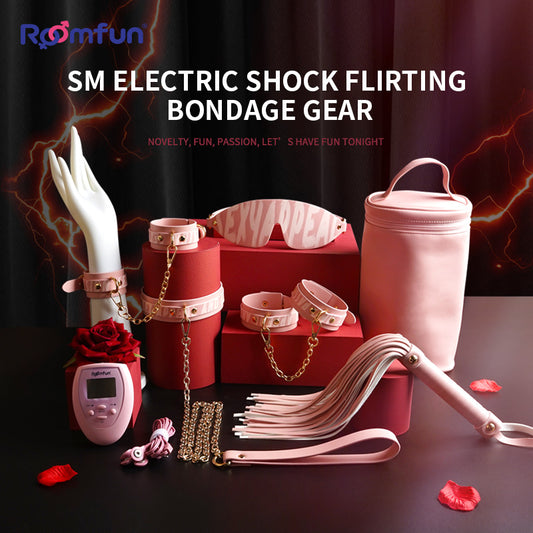
For a wider range of consent-forward restraint and power-play equipment, browse our BDSM collection. Lingerie can set the visual language of a scene, but a restraint should be chosen for its actual construction and release method, not only for its appearance.
Material and Hardware Checks Matter
Do not assume that every item in a lingerie collection is made from satin, lace, leather, or a single named fabric. The current assortment includes textile-like garments, mesh, metal hardware, and mixed designs. Read the individual listing for the material, stretch, lining, closures, care instructions, and any finish that may touch the skin.
If a piece has metal chains, rings, clips, spikes, bells, or other hardware, inspect the contact points before wear. Look for sharp edges, rough joins, snagging risks, and areas that may press against sensitive skin. If the item is used with lubricant, body fluids, sweat, or another product, follow the care instructions rather than assuming it can be washed like ordinary underwear. Let garments dry fully before storage and keep metal parts dry when required.
A Better Way to Build a Lingerie Set
Instead of searching for one “perfect” set, build the look in layers. Start with the piece that carries the silhouette, add one texture or transparency element, and then decide whether hardware or a BDSM accessory serves the scene. This keeps the outfit intentional and makes it easier to remove or replace one element without losing the whole look.
- Base: a bodysuit, bodystocking, mesh piece, or other garment that defines the coverage.
- Frame: a cupless bra, harness-inspired top, chain, or strap detail that changes the lines of the outfit.
- Contrast: a robe, stockings, gloves, heels, or another layer with a different texture or level of coverage.
- Scene element: clamps, cuffs, or another accessory only when its purpose, pressure, and removal are understood.
This approach also helps with shopping intent. Search for fishnet bodysuit when the garment itself is the priority, cupless bra lingerie or lingerie harness when the frame matters, and BDSM lingerie or nipple clamps when the piece adds a real scene function. Those phrases describe different buying questions and should not be forced into one generic paragraph.
Questions to Ask Before Ordering
Is this lingerie for everyday layering or a private scene?
Everyday layering prioritizes coverage, comfort, closures, and how the piece sits under other clothing. A private scene may prioritize transparency, access, visual lines, or hardware. Start with the intended setting because it changes what “good fit” means.
Does it provide support, or only create a support-like shape?
A cupless bra, harness, chain, or strappy top may frame the body without providing the support of a conventional bra. The listing should be your source for adjustability, structure, and fit. Do not rely on the silhouette in a product photo.
How much coverage does a fishnet or sheer bodysuit actually give?
Check the garment’s opening placement, mesh density, neckline, back, leg cut, and any lining. “Sheer” can describe the overall fabric while different panels provide different levels of coverage.
Can lingerie be used with BDSM accessories?
Only when the garment and accessory are compatible and the attachment point is appropriate. Decorative straps are not automatically load-bearing. Discuss consent and quick release before adding clamps, chains, cuffs, or restraints.
How should nipple clamps be approached?
Start with the lowest pressure the design allows, keep communication active, and remove them immediately for pain, numbness, coldness, or unusual color change. Do not treat the maximum adjustment as a target or leave them on longer than the product guidance allows.
How do I care for lingerie with metal or mixed materials?
Follow the individual care instructions. Separate textile cleaning from hardware care where necessary, dry the garment fully, inspect clips and rings for rough edges, and store pieces so metal does not snag or damage mesh.
Lingerie FAQ
What counts as lingerie?
Lingerie generally refers to intimate apparel and accessories such as bodysuits, bras, stockings, mesh garments, robes, and coordinated sets. In adult collections, the term can also overlap with harnesses, chains, cupless designs, and BDSM-inspired styling. The exact product role matters more than the label.
What is the difference between lingerie and BDSM lingerie?
Lingerie can be chosen for appearance, layering, or personal expression. BDSM lingerie adds a power-play visual language and may include hardware or accessories associated with restraint or sensation. A BDSM look is not automatically a functional restraint, and a restraint should be judged by its construction and release method.
Is sheer lingerie suitable for all bodies?
There is no single fit that suits every body. Compare the size chart, stretch, torso length, opening placement, and coverage shown in the listing. Sheer clothing can look and feel different depending on how it fits across the chest, waist, hips, and thighs.
Can I wear lingerie under regular clothing?
Some pieces are designed to layer, while straps, hardware, seams, or mesh openings may show through or catch on other clothing. Check the garment’s shape and closure, then test the intended layers before relying on it for a full outfit.
Can lingerie be used by any gender?
Yes. Lingerie is clothing and personal styling, not a requirement to identify with a particular gender or body type. Choose based on measurements, coverage, comfort, and the look you want. Product language may use gendered terms, but fit should be decided by the actual garment.
Browse With Intention
The best lingerie purchase is not necessarily the most revealing piece or the one with the boldest product title. It is the piece whose fit, coverage, material, hardware, and intended role match the scene or wardrobe you have in mind. Read the details, measure honestly, and let accessories add meaning rather than noise.