Colección: Bondage Rope & Ties

Choose bondage rope and ties by format, measurements and stated intended use. Compare individual rope lengths with ready-made ties, checking diameter or strap width, material details and removal requirements before deciding.

When selecting BDSM rope, look beyond color and soft-touch descriptions. Confirm whether the listing supplies one continuous length, several separate ropes or a finished restraint, and follow the instructions specific to that product.

Start With the Format: Loose Rope or a Finished Tie?

Bondage rope is supplied as a length of cord; a ready-made tie may use a defined closure, loop or fastening. Those formats call for different comparisons. With loose rope, read the length, diameter, fiber composition and intended use. With finished bondage ties, check the usable adjustment range, strap width and exact opening and removal mechanism. Neither format is automatically appropriate for every wearer or experience level.

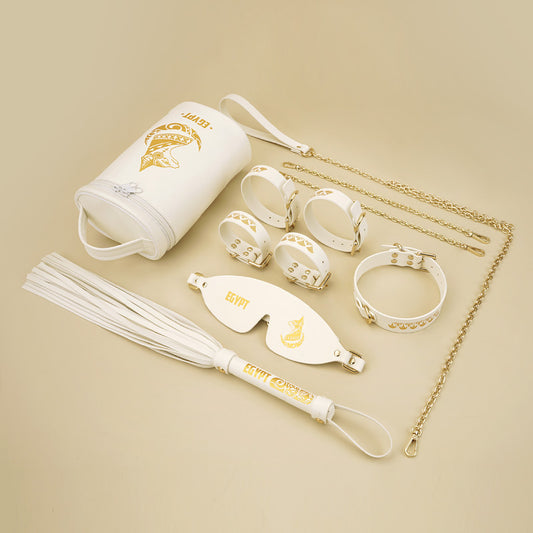
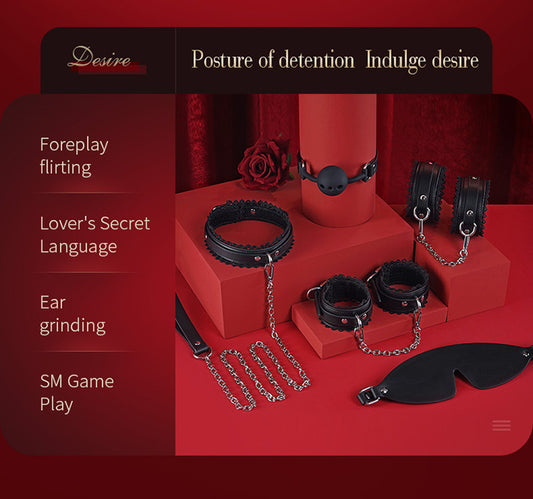
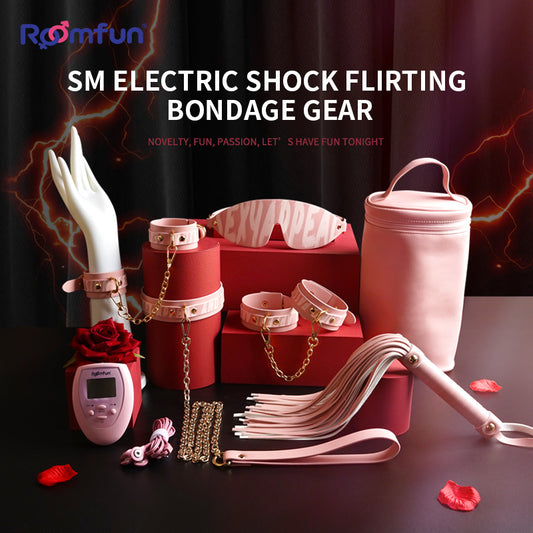
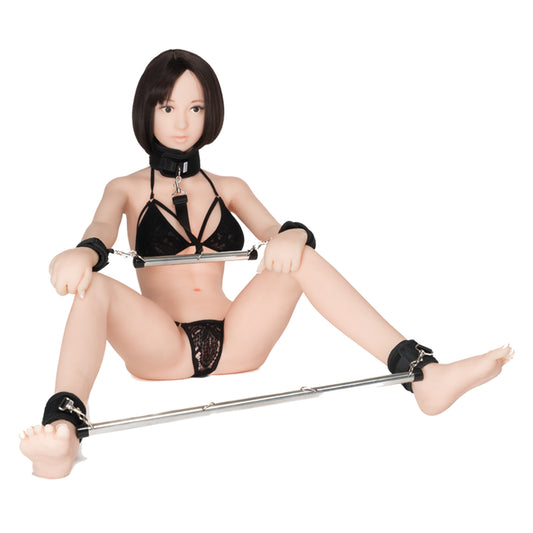
If you prefer separately sized wrist and ankle pieces, compare bondage cuffs rather than assuming a rope or tie will function like a fitted cuff. For assortments containing several accessory types, explore bondage kits and restraint sets and check their contents individually.

Read the Measurements in Three Parts

Length per rope, not just length per pack

A pack’s combined length is not the same as one continuous rope. Check the number of separate lengths, the measurement of each and whether any pieces differ in size. Compare units consistently and clarify ambiguous listings before purchase. More total length does not establish suitability for a particular arrangement, and this page does not prescribe rope lengths for specific ties.

Diameter for cord, width for flat ties

Round rope is usually described by diameter; a flat restraint may instead list width and thickness. Do not treat these as equivalent measurements. Neither a thicker rope nor a wider tie guarantees comfort or prevents injury. Check the complete specification alongside the manufacturer’s intended use rather than choosing on size alone.

Finished size and adjustment range

For pre-made bondage rope ties or straps, distinguish overall length from the usable fitted range. Fixed loops, closures and decorative ends can affect the available adjustment. A one-size label does not replace measurements, and an adjustable design still has limits.

What the Material Label Should Tell You

Look for the actual fiber composition, construction and any stated surface treatment. A silky finish is not proof of silk content; a natural appearance does not identify the fiber. Soft, smooth and durable are not substitutes for a material specification or instructions. If a product is described as sex rope, apply the same checks rather than treating the name as evidence of testing or suitability.

Compare care requirements before purchase, too. Follow the specific directions for washing, drying and storage; do not assume all bondage ropes tolerate soaking, heat or the same cleaner. The individual listing determines which materials are offered, rather than the examples used in a general buying guide.

A Rope-Bondage Label Is Not a Suspension Rating

Rope bondage describes an activity, while shibari is associated with Japanese rope-tying practices. Neither term on its own specifies a rope’s construction, condition or load capacity. Do not infer that an accessory is suitable for lifting, supporting body weight or suspension from its name, thickness or appearance. This category guide is for product comparison, not tying instruction or suspension training.

Plan Removal Before Restraint

Understand the product’s removal method before it is used on a person, and keep suitable emergency removal equipment accessible. Knots and closures should never be your only plan for an urgent release. Avoid neck restraint, breathing restriction, self-restraint and unattended restraint. Rope and ties can cause nerve injury or circulation problems even when they feel soft. Stop and remove them immediately for numbness, tingling, pain, coldness, weakness, unusual skin-color changes or distress; do not wait for visible marks.

Discuss the intended activity using our guide to BDSM boundaries, limits and consent. Agree on safewords and nonverbal stop signals everyone can recognize. A product description or online demonstration does not replace appropriate hands-on education.

Inspect, Separate & Replace

Inspect the full length and any closure before each use. Set aside equipment with cuts, damaged fibers, unfamiliar stiff sections, damaged fastenings or other unexplained changes, and consult the manufacturer’s replacement guidance. Store clean, fully dried pieces separately from items that could snag or damage them. Do not rely on a fixed number of uses or a good-looking exterior to establish condition.

Questions Before Choosing Rope & Ties

How much bondage rope should I buy?

There is no universal shopping length. Compare the intended use specified by the manufacturer with the number and size of the lengths supplied. Seek qualified instruction for activity-specific requirements rather than estimating from a photograph or using the pack total as a prescription.

Are soft or silk-look ropes automatically beginner-friendly?

No. Surface feel does not eliminate pressure, tightening or nerve-injury risks, and a silk-look finish does not establish silk content. Prioritize clear specifications, appropriate education and an accessible removal plan.

Can decorative cord replace bondage rope?

Do not assume so. Decorative cord, household string and adult restraint accessories can differ in construction and intended use. Choose according to explicit product instructions, not a similar appearance.

Does this buying guide include tying patterns?

No. It explains product formats and specifications so you can compare purchases. It does not provide tying sequences, body-placement instructions or suspension procedures.

For other restraint formats, return to bondage gear and restraints. To compare accessories beyond rope and ties, explore BDSM toys and gear and assess each item for its own stated purpose.