Follow the Straps, Not Just the Silhouette
Two body harnesses can look similar from the front and fit very differently once worn. One may frame the upper chest; another may continue around the waist or across the back. When comparing bondage harnesses, trace the entire strap layout before deciding. Look for front and rear views, identify where each strap sits, and distinguish a styling accessory from equipment explicitly designed for restraint.
Where Do You Want the Harness to Sit?
Across the chest and shoulders
For an upper-body design, compare the stated chest range alongside the shoulder and underarm layout. Check whether the shoulder straps adjust independently or share a fixed connection. A chest measurement alone cannot describe how a strap will sit under the arms or across the back. Avoid designs or adjustments that restrict breathing or press on the neck.
Around the torso and waist
If the design continues down the body, check its vertical length as well as its circumference. A waist strap can fit while the connecting straps are too short for the wearer’s torso. Look for separate adjustment points and note any fixed sections. More buckles do not automatically mean every part of the harness is adjustable.
Over clothing or against the skin
Measure for how you intend to wear the piece. Clothing changes the space needed beneath the straps, while exposed skin makes edge finish, rivet placement and lining especially relevant. For outfit-led combinations, explore lingerie and harness styling. A coordinated outfit is a visual choice, not evidence that its straps are suitable for pulling or restraint.
One Size Label Cannot Describe Every Strap
Start with the product’s measurement diagram rather than selecting by a familiar clothing size. Compare chest and waist ranges, shoulder or torso lengths where provided, and the amount of adjustment available in each section. For harnesses for men or any other gendered listing, use those measurements rather than assuming the label determines who can wear it. The right comparison is the wearer’s proportions and preferred coverage.
Leather Body Harnesses: Read Beyond the Finish
When comparing leather body harnesses, check whether the material specification applies to all straps or only selected panels. Distinguish genuine leather from synthetic leather-look materials, and review lining, edge finish and hardware details separately. Color, gloss and strap thickness do not establish composition or strength. Follow the specific care instructions; do not assume a mixed-material harness can be soaked or cleaned with a single product. This is material-selection guidance, not a claim that every material is currently stocked.
What Do the Rings Actually Do?
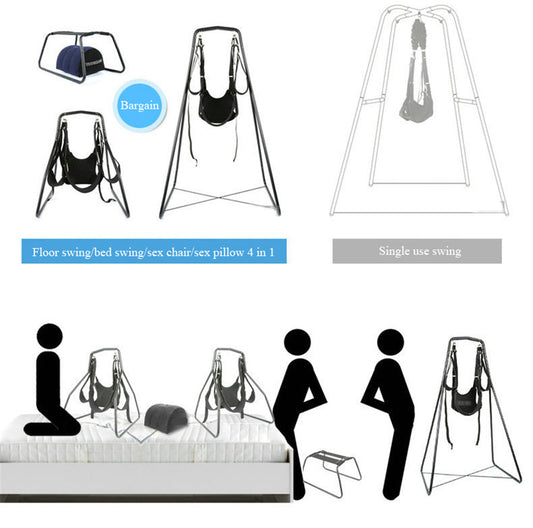
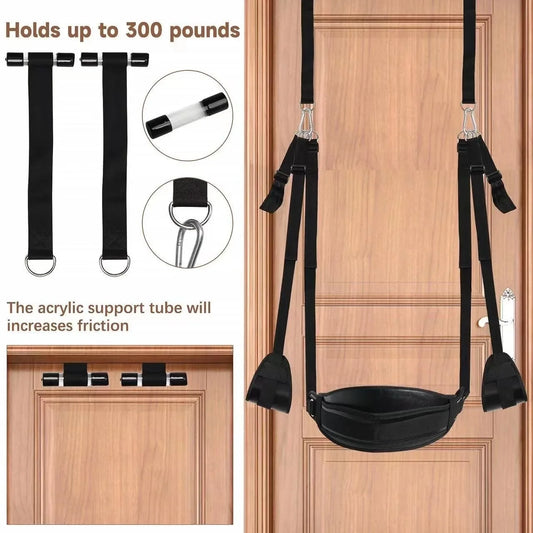
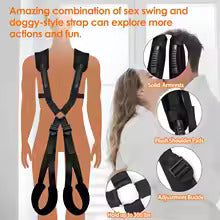
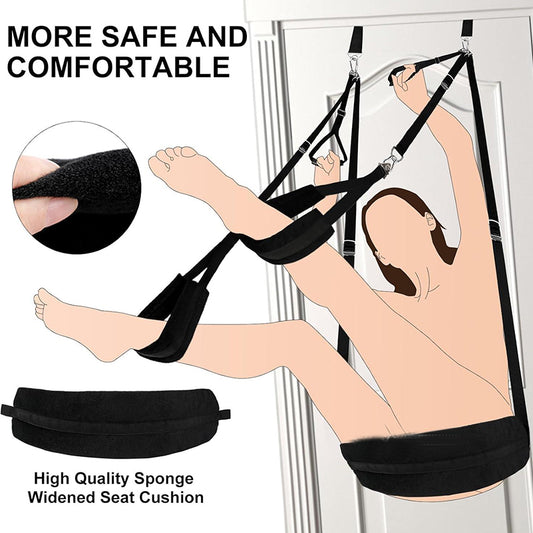
Rings may join straps, form part of a visual design or provide a connection point specified by the manufacturer. Appearance cannot tell you which role a particular ring serves. Do not treat BDSM harnesses as load-bearing equipment because they have metal hardware, and never infer suitability for suspension, lifting or supporting body weight. Decorative body harnesses, functional restraint harnesses and strap-on harnesses are different purchases; this category focuses on body-worn strap designs rather than toy-holding systems.
If you want separate wearable restraints, compare bondage cuffs instead of treating a harness strap as a wrist restraint. For other equipment types, explore bondage gear and restraints. Each component needs its own appropriate sizing and intended use.
Before You Fasten the Last Buckle
Identify the opening and removal sequence before wearing the harness. Adjust without forcing the body into position, and check that normal breathing and movement remain unrestricted. Stop and remove it for pain, numbness, skin-color changes or distress. Do not leave anyone unattended if a design is being used for restraint, and never tighten straps around the neck.
For partnered use, discuss what the harness does and does not signify with our guide to BDSM boundaries, limits and consent. Agree on safewords and nonverbal stop signals before adding other equipment. Wearing a harness never implies consent to pulling, attachment or a particular activity.
Body Harness Questions
Is a body harness the same as a strap-on harness?
No. A body harness is a body-worn strap design, while a strap-on harness is designed to hold a compatible toy. Do not assume one performs the other’s function unless the product explicitly specifies it.
Will an adjustable harness fit every body shape?
No. Adjustment ranges have limits, and some sections may be fixed. Compare all provided measurements and ask for missing dimensions rather than estimating fit from model photographs.
Can I attach a leash to any ring?
No. A ring may be decorative or structural rather than intended for an accessory connection. Follow the manufacturer’s stated purpose; a clasp fitting through it is not proof of compatibility or a load rating.
Can the same harness work over different outfits?
Possibly, within its stated measurements and intended use. Compare the available adjustment with the clothing you plan to wear, and check for bunching, snagging and pressure from fastenings. Do not assume a piece fitted against bare skin will fit over layers.
Continue exploring BDSM toys and gear when you are ready to compare categories beyond body harnesses. Choose the strap layout that suits your intended use, rather than the most complicated-looking design.